
Walk into a store, open an app, or scroll through your email inbox, and chances are you’ll see it: a coupon promising massive savings. “Save 50%.” “Buy one, get one free.” Or the holy grail of discounts—“Save up to 86%.”
That number stops us in our tracks.
Even if we didn’t plan to buy anything, even if the product wasn’t on our list, an 86% savings stat triggers something deep and almost instinctive. We click. We browse. Sometimes, we buy. And afterward, we justify it with a familiar phrase: “It was such a good deal.”
But why does that number feel so powerful? Why does the idea of saving money feel almost as good—sometimes better—than spending it wisely? And what exactly is going on in our brains when we crave the coupon?
To understand the psychology behind extreme discounts like 86%, we need to explore how humans perceive value, loss, reward, and identity—and why coupons tap into all of them at once.
The Emotional Weight of “Savings” Over “Spending”
At first glance, a coupon seems purely practical. It’s about money. Numbers. Math. But psychologically, savings are far more emotional than rational.
Spending money often carries guilt. Saving money, on the other hand, carries virtue.
When we use a coupon, we don’t frame the transaction as spending $14. We frame it as saving $86. The emotional emphasis shifts from loss to gain. Behavioral economists call this framing bias—the way information is presented changes how we feel about it, even when the outcome is the same.
An 86% savings stat is especially potent because it flips the narrative entirely. The purchase no longer feels like indulgence. It feels like intelligence. Restraint. Even responsibility.
In our minds, we’re not shoppers anymore—we’re strategists.
Loss Aversion and the Fear of Missing the Deal
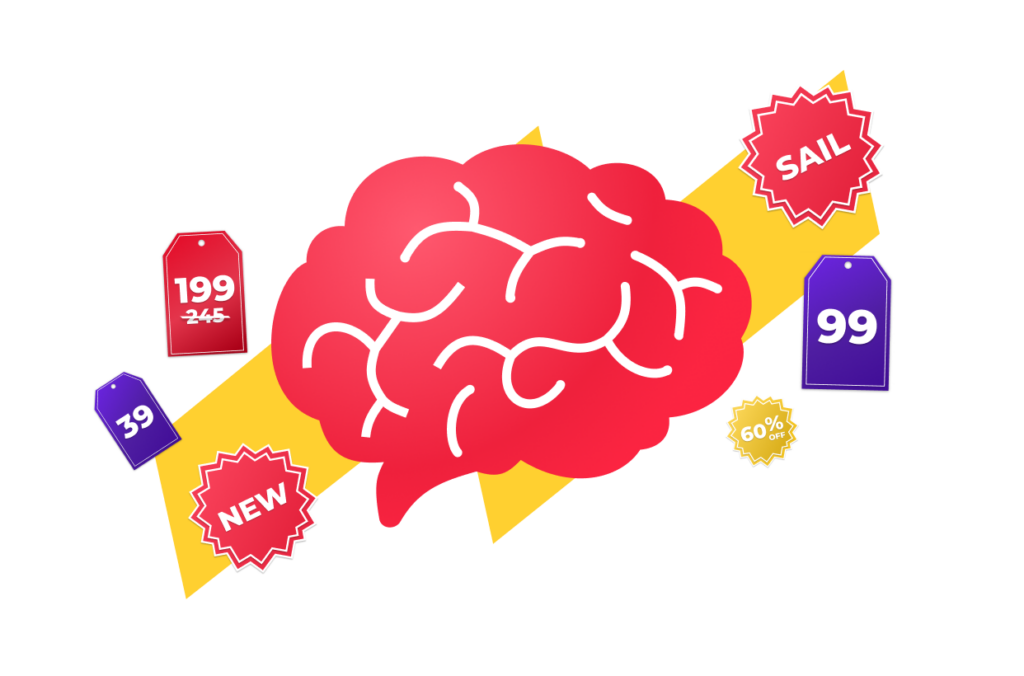
One of the strongest forces in human psychology is loss aversion. Simply put, we hate losing more than we enjoy winning. The pain of losing $10 feels stronger than the pleasure of gaining $10.
Coupons weaponize this bias beautifully.
When we see “Save 86%,” our brain doesn’t just register a potential gain—it registers a potential loss. If we don’t use the coupon, we’re not staying neutral. We’re “losing” the savings.
This is why limited-time offers and expiration dates are so effective. A coupon that expires tonight doesn’t just suggest urgency—it threatens loss. Not buying feels like letting value slip through our fingers.
The bigger the savings number, the bigger the perceived loss. An 86% discount feels too large to ignore, even if the actual dollar amount is small. Missing it feels irrational, almost reckless.
So we act—not always because we want the product, but because we want to avoid the regret of letting the deal go.

The Dopamine Rush of the “Win”
Using a coupon doesn’t just save money—it activates the brain’s reward system.
Neuroscience research shows that anticipating a deal can trigger dopamine, the same neurotransmitter associated with pleasure, motivation, and reward-seeking behavior. When we find an unusually high discount, our brain experiences something close to a “win.”
This is especially true with extreme stats like 86%. That number feels rare. Exclusive. Almost unbelievable. Our brain interprets it the way it might interpret finding money on the street or beating the odds in a game.
The act of applying a coupon at checkout becomes the climax of the experience. Watching the price drop dramatically produces a small emotional high—one that can sometimes outweigh the satisfaction of the product itself.
This helps explain a strange phenomenon: people often feel happier after getting a deal than after using what they bought.
The Illusion of Smart Consumption
Coupons don’t just influence how we feel—they influence how we see ourselves.
Using a coupon reinforces a powerful identity: I am a smart shopper.
In a culture that values optimization, hacks, and “winning” at systems, coupon use becomes a form of self-expression. It signals discipline, savvy, and financial literacy—even when the purchase itself was unnecessary.
An 86% savings stat amplifies this effect. Anyone can save 10%. Saving 86% feels exceptional. It allows the shopper to mentally elevate themselves above the average consumer.
This identity boost is subtle but important. We’re not just buying a product—we’re buying confirmation that we’re clever, responsible, and in control.
Ironically, this can lead to overconsumption. When buying feels smart, it’s easier to justify doing more of it.
Anchoring: Why the Original Price Matters More Than the Final One
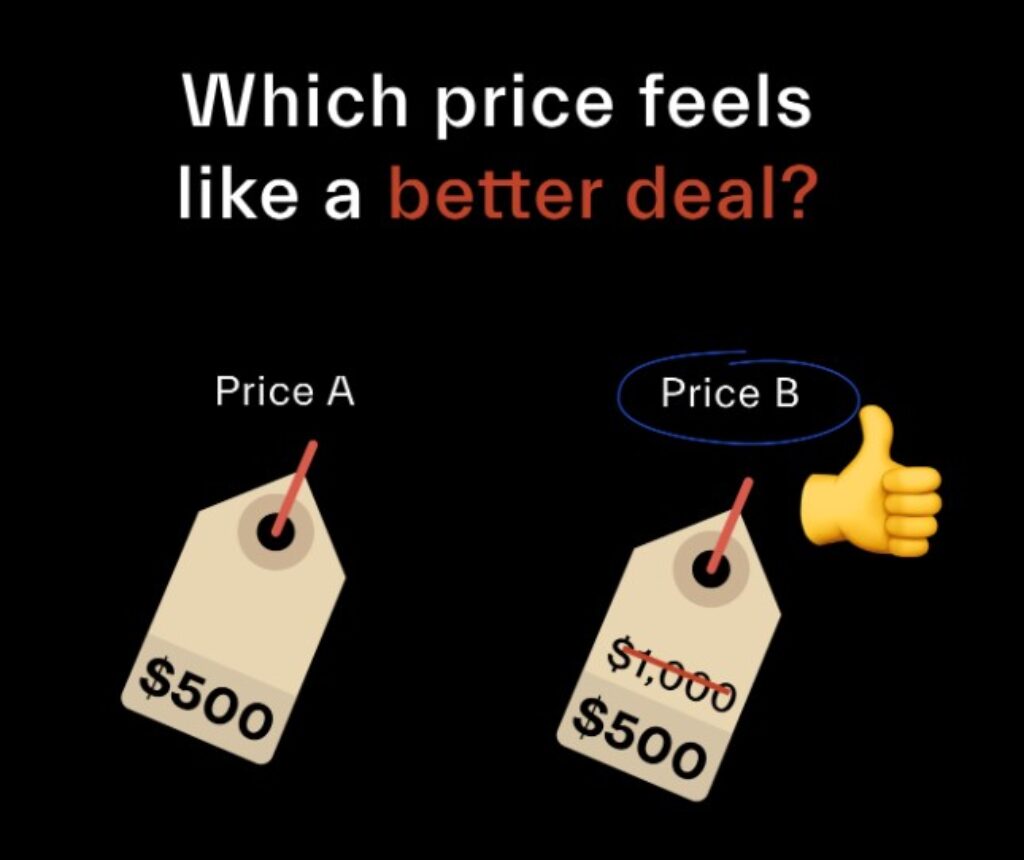
Another psychological trick at play is anchoring. The first number we see sets a mental reference point, even if it’s arbitrary.
When a product is “Originally $100, now $14,” our brain anchors to the $100—not the $14. The discounted price feels absurdly low by comparison, regardless of the product’s actual value.
The 86% stat exists primarily to strengthen that anchor. It reinforces the idea that the original price was the “real” value and that the current price is an anomaly—a rare opportunity.
Even if the original price was inflated or rarely paid, the anchor does its job. We don’t ask, Is this worth $14? We ask, How could I pass up something that used to cost $100?
This shift in questioning is crucial. It moves us away from rational evaluation and toward emotional justification.
Scarcity, Status, and the Language of Extremes
Extreme discounts often imply scarcity, even when none exists.
An 86% savings stat suggests that something unusual is happening: overstock, clearance, insider access, or a once-in-a-lifetime promotion. The deal feels fragile, temporary, and exclusive.
Scarcity doesn’t just increase desire—it increases perceived value. If something is available to everyone forever, it feels ordinary. If it’s available now, cheaply, and possibly not later, it feels special.
There’s also a quiet status component. Finding—or being offered—a massive discount can feel like being “in the know.” The coupon becomes a badge of access, even if it was sent to millions of inboxes.
When Saving Becomes the Goal, Not the Outcome
Here’s where the psychology turns paradoxical.
In theory, coupons help people spend less. In practice, they often encourage people to spend more—just in different ways.
When the primary motivation becomes saving, not needing, purchases multiply. We buy items we wouldn’t have considered at full price. We stock up. We justify bundles. We rationalize excess with arithmetic.
“I saved so much” becomes the reason for buying, not the result of it.
The 86% stat is especially dangerous here because it creates a sense of overachievement. Saving that much feels like a financial victory, even if the transaction added clutter, stress, or unnecessary expense to our lives.
The Cultural Obsession With Beating the System
At a deeper level, coupon culture taps into something cultural and emotional: the desire to beat the system.
Prices often feel arbitrary. Corporations feel powerful. Consumers feel squeezed. A massive discount flips that dynamic, at least temporarily. Using a coupon feels like outsmarting the market—getting one over on a faceless entity.
This is why people brag about deals more than purchases. We don’t just say, “I bought this.” We say, “Guess how much I paid.”
The story matters. The savings stat is the punchline.
An 86% discount isn’t just a number—it’s a narrative of triumph.
Learning to See the Coupon Clearly
None of this means coupons are bad. They can be useful, ethical, and genuinely beneficial. The problem arises when we confuse savings with value and discounts with necessity.
Understanding the psychology behind the 86% savings stat gives us power. It allows us to pause and ask better questions:
Would I want this without the coupon?
Is this solving a real problem, or just triggering a reward response?
Am I buying the product—or the feeling of getting a deal?
When we separate the emotional high of saving from the practical reality of spending, coupons return to what they were meant to be: tools, not temptations.
Final Thoughts: Why the Craving Makes Sense
We crave coupons not because we’re irrational, but because we’re human.
Our brains are wired to seek rewards, avoid losses, and tell stories that make us feel competent and in control. An 86% savings stat hits all those buttons at once. It promises pleasure, protection, and pride—all wrapped in a single number.
The next time a massive discount makes your heart beat a little faster, remember: that reaction isn’t accidental. It’s psychology in action.
And sometimes, the smartest move isn’t using the coupon—it’s understanding why you want to.