
Luxury vs Fast Fashion: Gucci vs Zara – What’s Worth It?

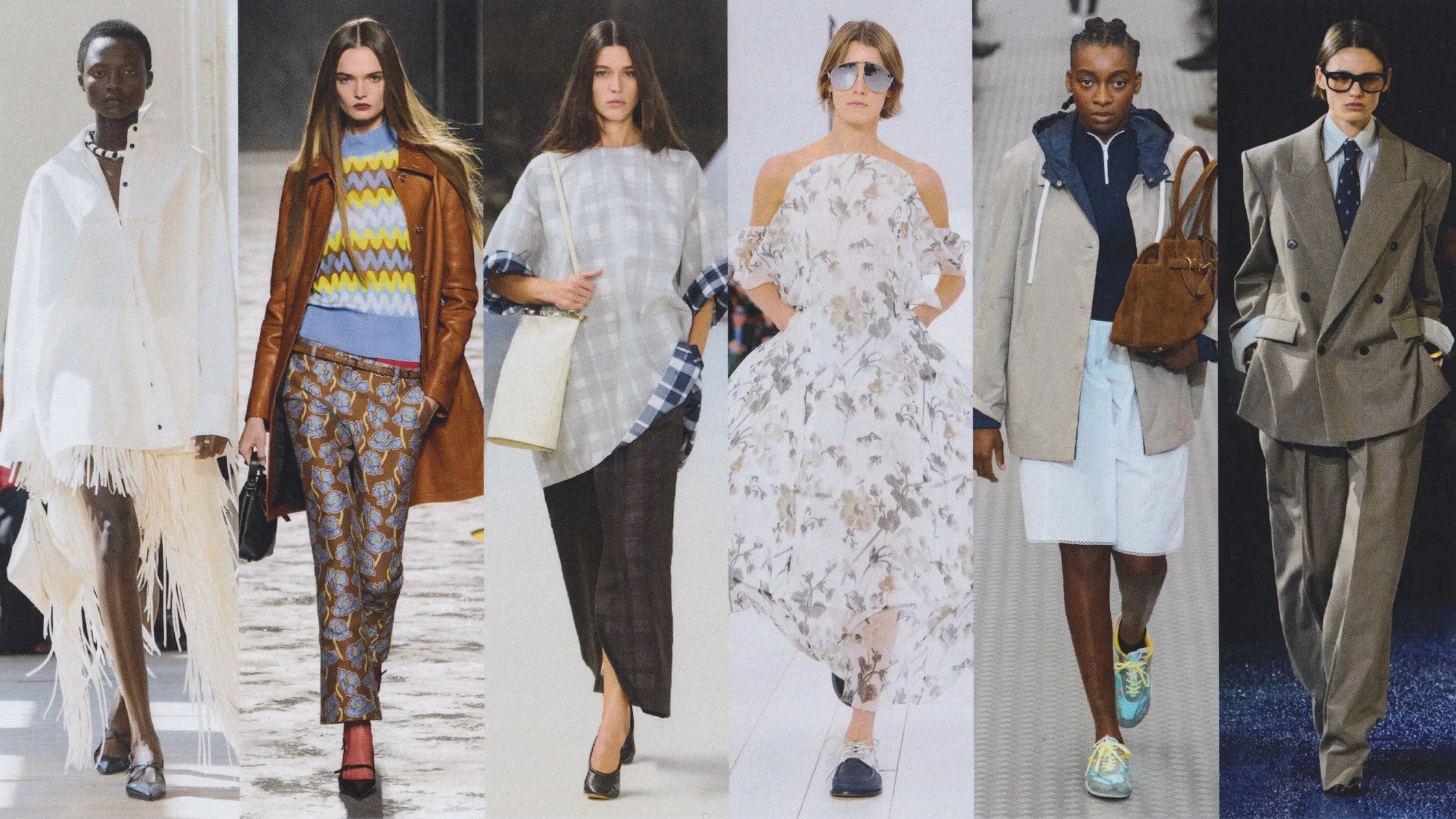
Fashion has always been more than just clothing—it’s a reflection of identity, culture, and even values. In today’s world, consumers often find themselves choosing between two very different ends of the fashion spectrum: luxury brands and fast fashion. Few comparisons illustrate this contrast better than Gucci and Zara. One represents heritage, craftsmanship, and exclusivity, while the other thrives on speed, affordability, and accessibility. But when it comes down to it, what’s actually worth your money?
Let’s explore the key differences and help you decide which side aligns better with your lifestyle, budget, and values.
Understanding the Brands
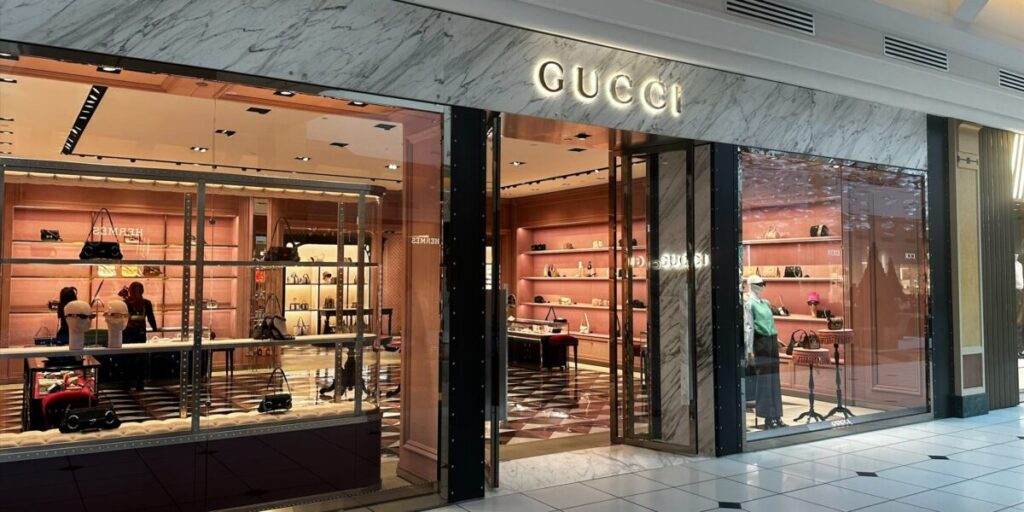
Gucci stands as a symbol of luxury fashion. Founded in Italy, it has built a reputation over decades for high-end craftsmanship, premium materials, and iconic designs. Buying a Gucci product is not just about owning an item—it’s about investing in a legacy and a status symbol.
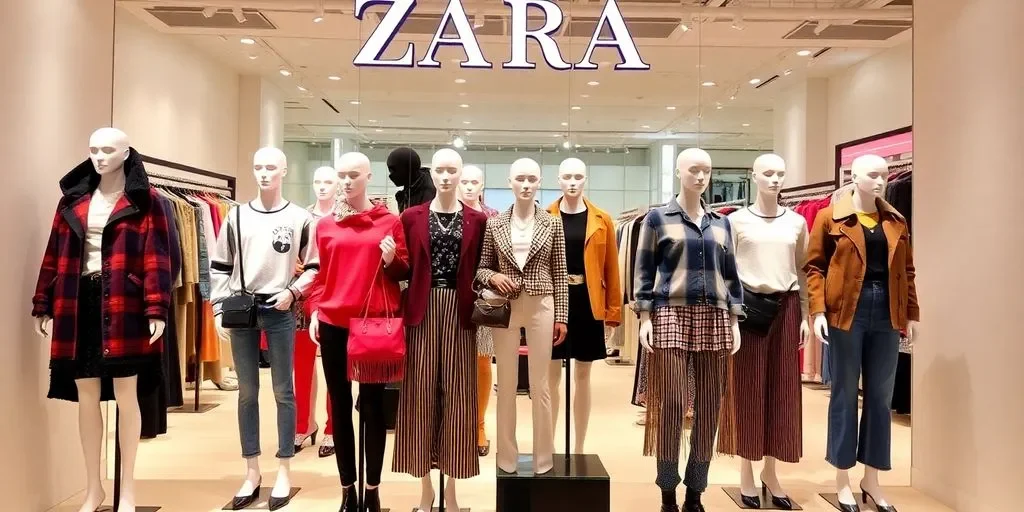
Zara, on the other hand, is one of the pioneers of fast fashion. Known for quickly translating runway trends into affordable clothing, Zara releases new collections at an astonishing pace. It focuses on giving consumers trendy, wearable pieces without the high price tag.
These two brands represent completely different philosophies, and understanding them is key to evaluating what’s “worth it.”
Price vs Value
The most obvious difference between Gucci and Zara is price. Gucci items can cost hundreds or even thousands of dollars, while Zara offers pieces at a fraction of that cost. For many people, this alone makes Zara the more appealing choice.
However, price and value are not the same thing.
Gucci products are often made from high-quality materials like genuine leather, silk, and fine wool. They are crafted with attention to detail and designed to last for years, sometimes even decades. In contrast, Zara uses more affordable materials and focuses on mass production. While their clothes can look stylish, they are not always built for long-term use.
So the question becomes: would you rather pay more upfront for something that lasts, or less for something you may need to replace frequently?
If you consider cost per wear, a well-maintained luxury item can sometimes offer better value over time.
Quality and Craftsmanship
Luxury brands like Gucci invest heavily in craftsmanship. Skilled artisans work on each piece, ensuring precision, durability, and uniqueness. Stitching, fabric quality, and finishing touches are all carefully considered.
Zara’s production model prioritizes speed. Designs move from concept to store shelves in a matter of weeks. While this allows them to stay on trend, it can sometimes result in inconsistent quality. Some items may hold up well, while others might show wear after a few washes.
That said, Zara has improved its quality in recent years, especially in its premium lines. Still, it generally cannot match the craftsmanship of a luxury brand.
Style and Trends
Zara excels at capturing current trends. If something appears on the runway today, there’s a good chance Zara will have a similar version available within weeks. This makes it ideal for people who enjoy experimenting with fashion and staying up-to-date.
Gucci, however, often sets trends rather than follows them. Its designs can be bold, artistic, and sometimes unconventional. When you buy Gucci, you’re not just following fashion—you’re making a statement.
But there’s a catch: trends come and go. Fast fashion allows you to participate in them without a big financial commitment, while luxury purchases require more careful consideration. A flashy designer piece might not feel as relevant a few years down the line.
Sustainability and Ethics
One of the biggest debates in modern fashion revolves around sustainability.
Fast fashion brands like Zara have been criticized for encouraging overconsumption. The constant release of new collections can lead to a “wear once and discard” mentality. This contributes to environmental issues such as textile waste and resource depletion.
Luxury brands, including Gucci, have started to focus more on sustainability. Because their products are designed to last longer, they naturally promote a slower consumption cycle. Additionally, many luxury brands are investing in ethical sourcing and environmentally friendly practices.
However, it’s important to note that luxury fashion is not automatically sustainable. High production costs and global supply chains still have environmental impacts.
If sustainability is a priority for you, the decision may come down to how you use the products. Buying fewer, high-quality items and wearing them for years can be more eco-friendly than frequently purchasing cheap, short-lived clothing.
Exclusivity vs Accessibility
Gucci thrives on exclusivity. Not everyone can afford it, and that’s part of its appeal. Owning a Gucci item can feel special, even aspirational. It often carries a sense of prestige and individuality.
Zara, by design, is accessible. Its stores are everywhere, and its prices make fashion available to a much wider audience. This democratization of style is one of Zara’s biggest strengths.
But accessibility has a downside: lack of uniqueness. Since Zara produces items in large quantities, it’s more likely you’ll see others wearing the same outfit.
If standing out matters to you, luxury may have the edge. If practicality and inclusivity are more important, fast fashion wins.
Emotional and Psychological Value
Fashion is not purely logical—it’s emotional.
Owning a luxury item can bring a sense of pride, confidence, and satisfaction. For some, it represents achievement or personal reward. The experience of buying and wearing a designer piece is often part of its value.
Fast fashion offers a different kind of satisfaction: instant gratification. You can refresh your wardrobe frequently without feeling guilty about spending too much. It’s fun, flexible, and low-risk.
Neither is inherently better—it depends on what kind of emotional experience you’re looking for.

Longevity and Wardrobe Strategy
A key consideration is how each brand fits into your overall wardrobe.
Luxury pieces often work best as long-term staples. A classic bag, a well-tailored coat, or a timeless pair of shoes can remain relevant for years. These items can anchor your wardrobe and elevate simpler outfits.
Zara pieces are ideal for filling in the gaps. Need a trendy top for the season? Looking to experiment with a new style? Fast fashion allows you to do so without a major commitment.
In reality, many people find that a combination of both works best: investing in a few high-quality essentials while using fast fashion for variety and trends.
Resale and Investment Potential
Another factor to consider is resale value.
Luxury items, especially from brands like Gucci, often retain a portion of their value. Some pieces even appreciate over time, particularly limited editions or iconic designs. This creates the possibility of treating certain purchases as investments.
Zara items, by contrast, have little to no resale value. Once worn, they are unlikely to fetch a significant price in the secondhand market.
If you’re someone who likes the idea of recouping some of your spending, luxury fashion offers a clear advantage.
The Verdict: What’s Worth It?
There is no universal answer to whether Gucci or Zara is “worth it.” The right choice depends on your priorities.
If you value quality, craftsmanship, exclusivity, and long-term use, luxury fashion may justify its higher price. It’s an investment not just in clothing, but in experience and identity.
If you prioritize affordability, variety, and staying on trend, fast fashion offers unmatched convenience. It allows you to explore different styles without financial strain.
For most people, the smartest approach lies somewhere in between. Build a wardrobe with a foundation of durable, high-quality pieces, and complement it with affordable, trend-driven items. This balance lets you enjoy the best of both worlds.
Final Thoughts
The debate between luxury and fast fashion is not just about brands—it’s about how we choose to consume. It reflects our values, habits, and even our understanding of worth.
Instead of asking which brand is better, it might be more useful to ask: what do I truly need, and how do I want to express myself through what I wear?
Because in the end, the most valuable piece in your wardrobe isn’t defined by its label—it’s defined by how it makes you feel and how well it fits into your life.